
Why Winter Is One of the Best Times for Concrete and Hardscaping Projects
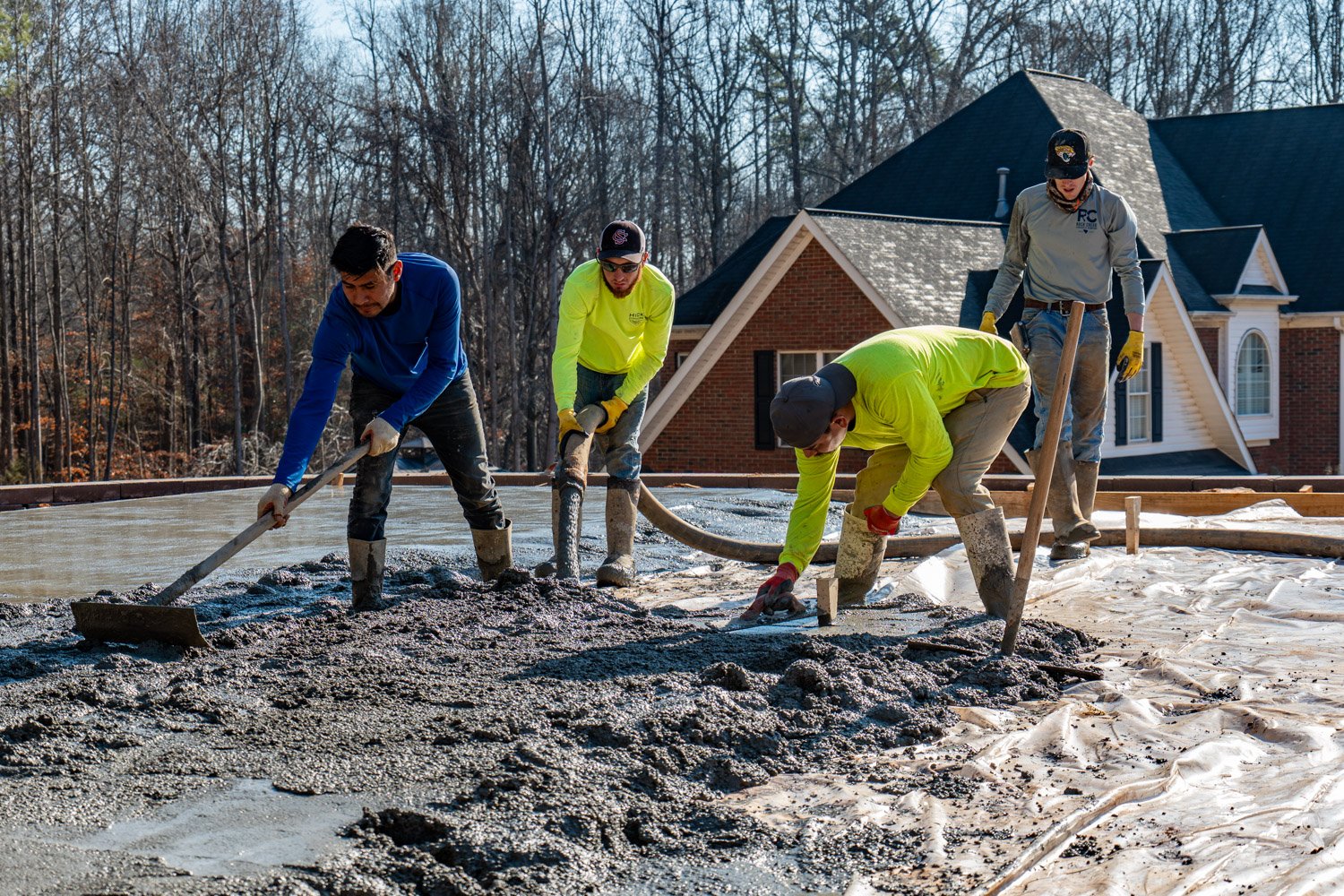
For many homeowners, concrete and hardscaping projects automatically get pushed to the spring. It feels logical—warmer weather, longer days, everything coming back to life. But what most people don’t realize is that winter can actually be one of the smartest times to build.
From patios and outdoor kitchens to walkways, retaining walls, and driveways, winter construction offers several advantages that directly benefit your timeline, your property, and your long-term results.
Here’s why building now often makes more sense than waiting.
Build Now and Enjoy Your Space the Moment Spring Arrives
One of the biggest benefits of winter construction is timing.
When your project is completed during the colder months, your outdoor space is fully finished and ready to use as soon as spring weather hits. There’s no waiting for permits, no getting in line behind dozens of other homeowners, and no watching perfect patio weather pass by while your project is still in progress.
Instead of starting construction in spring, you start enjoying your space in spring.
Whether it’s a new patio for entertaining, an outdoor kitchen for family gatherings, or hardscaping that ties your yard together, winter builds shift the inconvenience to the off-season and give you maximum use when it matters most.
You Beat the Spring Rush and Avoid Long Lead Times
Spring is the busiest season for concrete and hardscaping contractors. As soon as temperatures rise, schedules fill quickly, lead times grow, and projects often have to be pushed weeks, or even months out.
By building in the winter, you get ahead of that rush.
That means:
Shorter scheduling windows
More predictable timelines
Less risk of delays caused by overbooked crews
Instead of competing for availability during peak season, you secure your project while demand is lower and scheduling is more flexible. The result is a smoother process with fewer unknowns.
Winter Construction Allows Your Landscape to Recover Faster
Every concrete or hardscaping project involves some level of disruption. Grading, equipment access, and material staging all impact the surrounding ground, grass, and plants.
When that disruption happens in the winter, your landscape gets the best possible recovery window.
By the time spring arrives:
Grass is actively growing
Plants are entering their strongest growth cycle
Soil naturally settles and stabilizes
This allows your yard to rebound far more quickly than if construction happens in spring or summer, when heat stress and dry conditions make recovery harder. In many cases, winter builds lead to healthier, more even landscape regrowth overall.
How Concrete Work Is Done Safely and Effectively in Winter
A common concern is whether concrete can be poured and cured properly in cold weather. With modern materials and proven methods, the answer is yes when it’s done correctly.
Professional winter concrete work typically includes:
Using warmer mixing water to maintain proper concrete temperature
Adding approved accelerants that help concrete set and gain strength in colder conditions
Monitoring ambient temperatures and timing pours accordingly
These practices allow concrete to cure just as reliably as it does in warmer months. When handled by an experienced crew, winter conditions do not compromise strength, durability, or long-term performance.
A Smarter Way to Plan Your Project
Waiting for spring may feel intuitive, but it often creates unnecessary delays and missed opportunities. Winter construction lets you stay ahead of the schedule, protect your landscape’s recovery, and step into spring with a finished outdoor space instead of a construction zone.
If you’ve been thinking about upgrading your patio, adding hardscaping, or building an outdoor living feature, winter may be the ideal time to get started.
Build in winter, enjoy in spring.